The Guyana Hydrometeorological Service is warning citizens to prepare for hotter-than-normal conditions, as El Niño strengthens and the country moves out of the rainy season.
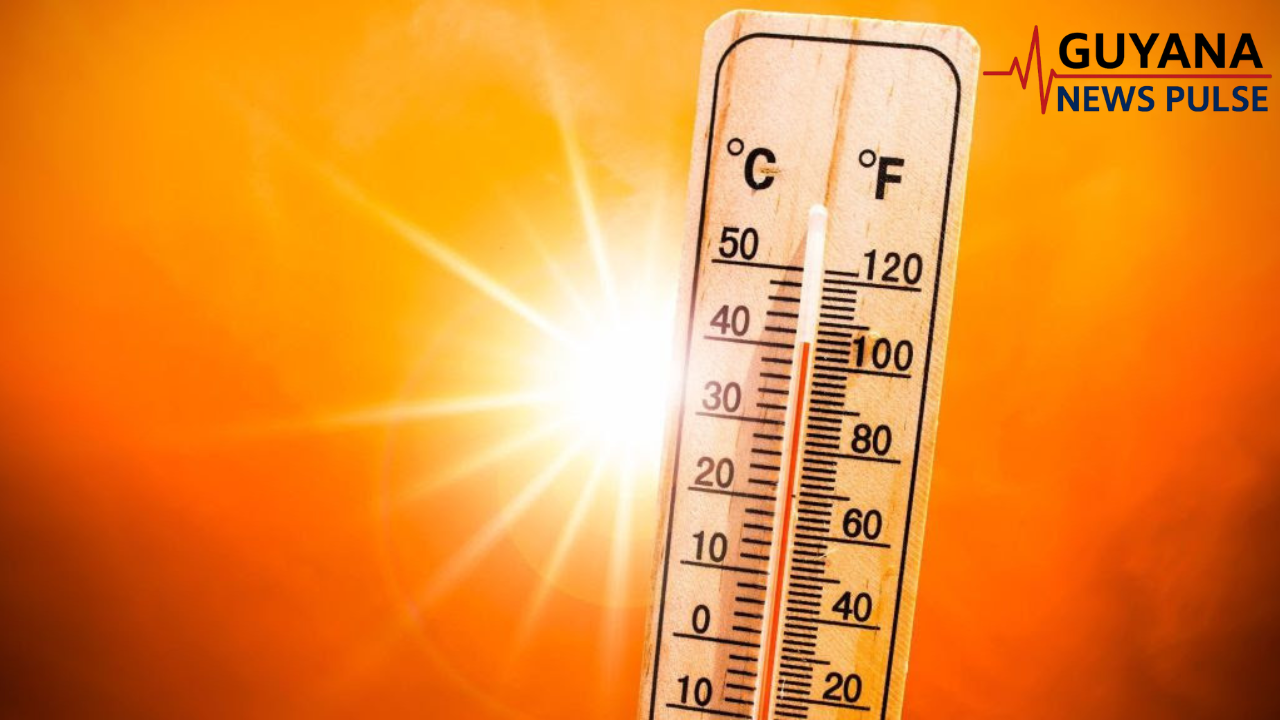
In a release, Hydromet said Guyana is expected to experience an increase in hot spells from August to at least October, along with fewer wet days and above-normal day and night-time temperatures.
According to the agency’s latest Seasonal Outlook, Guyana could record as many as 80 hot spell days this year. Historically, the country records up to 30 hot spell days annually.
Hydromet said the highest frequency of hot spell days is likely to be experienced in Regions Four, Five, Six, Eight and Ten. A hot spell is defined as two or more days of extreme temperatures.
The agency explained that El Niño refers to the unusual warming of ocean surface temperatures in the central and eastern equatorial Pacific, along with weaker trade winds.
Hydromet warned that the expected warmer and drier conditions could affect several sectors, including agriculture, water resources, energy, education, hinterland transportation, forestry and public health.
In agriculture, reduced rainfall and higher temperatures are likely to place crops under moisture stress, affect pasture quality and increase water requirements for livestock.
The extended dry period may also reduce water availability for domestic use, agriculture and other economic activities, particularly in vulnerable hinterland communities.
Hydromet said higher temperatures may also drive up electricity demand as households and businesses rely more heavily on cooling systems, placing additional pressure on the national power grid.
The education sector could also be affected, with prolonged extreme heat increasing the risk of heat stress and classroom discomfort. Meanwhile, low water levels may disrupt river transportation in some hinterland areas and affect the movement of people, goods and essential services.
The agency also warned that dry vegetation and prolonged high temperatures could increase the risk of bush and forest fires, especially in forested and savannah regions.
On public health, Hydromet said prolonged exposure to extreme heat may increase cases of dehydration, heat exhaustion and heat stroke, particularly among children, older adults, persons with underlying medical conditions and those who work outdoors.
Members of the public are being urged to stay hydrated, conserve water, limit strenuous outdoor activity between 11 a.m. and 2 p.m., wear light and loose-fitting clothing, avoid activities that could ignite fires, and ensure crops and livestock have access to good quality water.
Hydromet noted that while El Niño usually brings warmer and drier conditions, days with significant rainfall are still possible during this period.
The agency said it will continue to monitor conditions and provide timely updates to support public preparedness and informed decision-making.