READ BELOW THE STATEMENT FROM HYDROMETEOROLOGICAL SERVICE, MINISTRY OF AGRICULTURE:
The Hydrometeorological Service, Ministry of Agriculture, advises that El Niño conditions are likely to develop over the next two (2) to four (4) months. Current observations indicate that sea surface temperatures in the east-central equatorial Pacific Ocean are nearing the El Niño threshold, and model guidance suggests a high likelihood (approximately 90%) of El Niño emerging in the coming months.
El Niño is a large-scale climate phenomenon typically associated with drier-than-normal conditions and increased heat across Guyana, with its effects generally becoming more pronounced from July and persisting through the remainder of the year. Heat intensity typically peaks between mid-August and October.
Seasonal Outlook: May to July, 2026
For the upcoming season, most Regions of Guyana are expected to experience near- to below-normal rainfall, although isolated areas in northern Region 1 may experience slightly above-normal rainfall. Despite the overall tendency towards reduced rainfall, periods of heavy rainfall are still likely, and the risk of localized flooding remains elevated, particularly in low-lying and poorly drained areas.
Seasonal Outlook: August to December, 2026
During the latter part of the year, particularly the main dry season (August to mid-November), drier conditions are expected to become more pronounced, consistent with the influence of El Niño. This period is likely to be characterized by prolonged dry spells, elevated temperatures, reduced soil moisture, and increased pressure on water resources, especially in inland Regions.
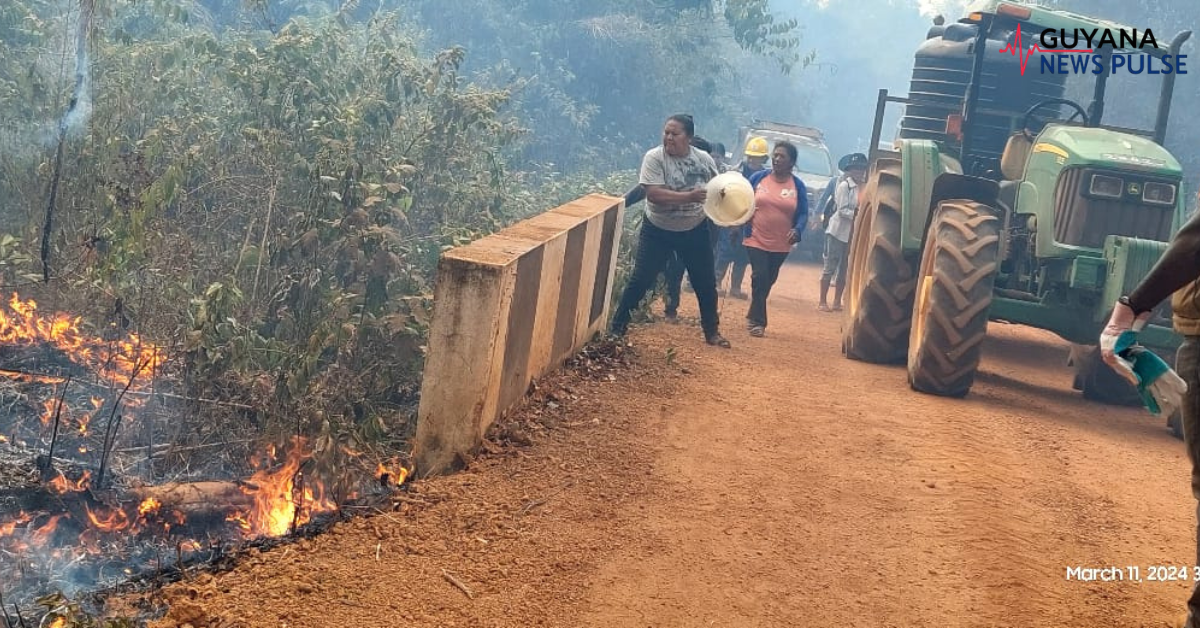
These conditions will also increase the likelihood of heat waves, contributing to elevated heat stress and associated risks. The combination of high temperatures and extended dry periods significantly elevates the risk of wildfires, particularly in forested and savannah regions such as Regions 6, 8, 9 and 10. However, wildfire activity can occur across all Regions of Guyana, especially during extended dry periods or where vegetation becomes sufficiently dry.
Key Impacts and Risks
• Water Availability:
Reduced rainfall and prolonged dry periods may lead to declining water levels in rivers, reservoirs, and conservancies, particularly in inland areas. Isolated areas in Regions 8 and 9 may experience short-term drought conditions as early as the end of July, 2026; water conservation measures are strongly advised.
• Agriculture:
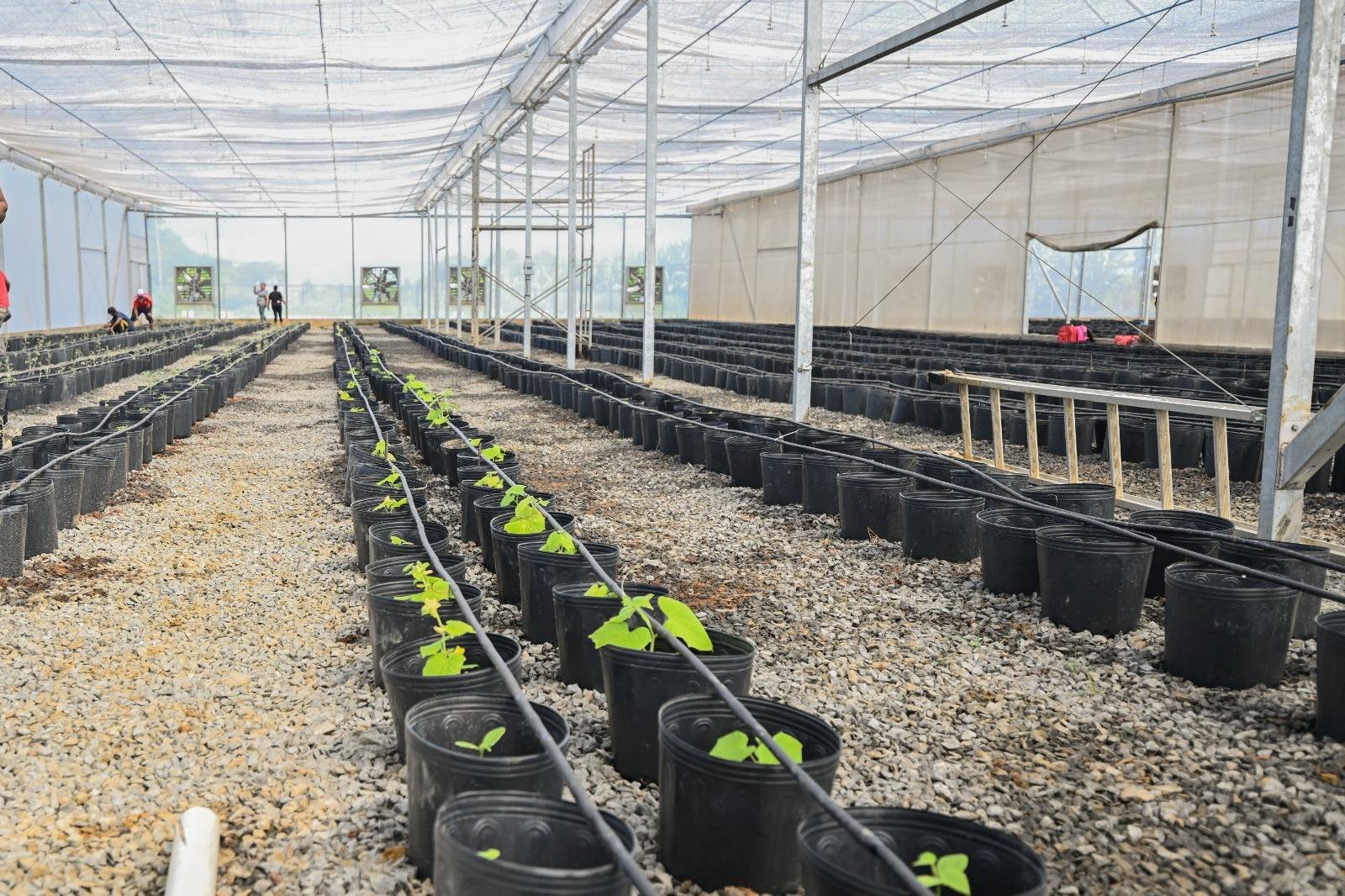
Lower soil moisture and extended dry spells may stress crops, reduce yields, and affect planting schedules/cycles, especially for rain-fed agriculture. Livestock may also be impacted due to reduced pasture availability and water shortages.
• Heat and Health (Humans and Animals):
Above-normal temperatures and heat wave conditions can increase the risk of heat stress, dehydration, and heat-related illnesses in humans. Vulnerable groups, including the elderly, children, and outdoor workers, are particularly at risk.
Animals, including livestock and wildlife, may experience heat stress, reduced productivity, and increased mortality risk if adequate water and shade are not available.
Further Information
This seasonal outlook is valid for a three-month period and is updated monthly (https://hydromet.gov.gy/weather/seasonal-outlook/). The public is encouraged to follow daily forecasts issued by the National Weather Watch Centre (https://hydromet.gov.gy/).