Minister of Natural Resources Vickram Bharrat says the consortium led by TotalEnergies, QatarEnergy and Petronas has started seismic work on its shallow-water block offshore Guyana, marking another step in the country’s push to expand exploration beyond the Stabroek Block.
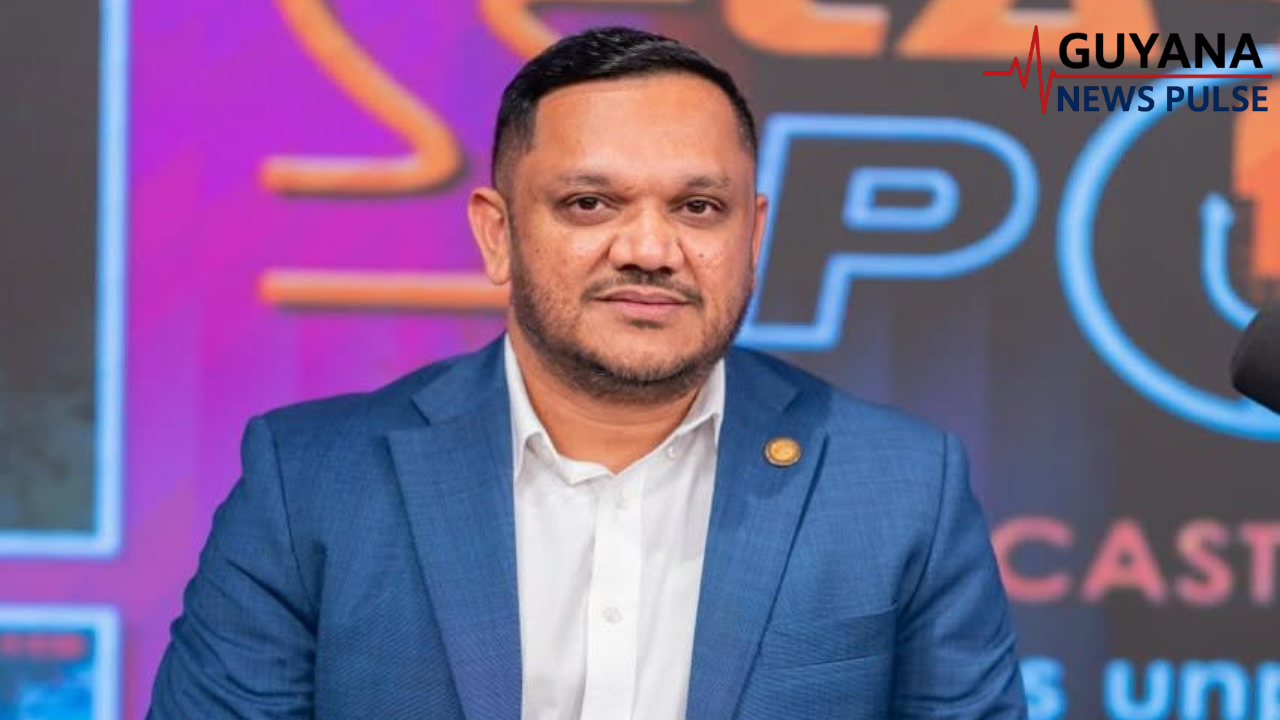
Bharrat made the disclosure during an appearance on the Starting Point Podcast, where he said the companies have already advanced their exploration programme after signing an agreement with the Government late last year.
According to the Minister, all companies entering petroleum agreements with Guyana are now required to submit work programmes and demonstrate their ability to finance and execute those plans.
“Guyana, all companies that sign agreements with us, in order to reach an agreement you must submit a work programme,” Bharrat said.
He noted that the Petroleum Activities Act, passed in 2023, includes penalties for companies that fail to complete or execute their agreed work programmes.
“When we passed the Petroleum Activities Act in 2023, we would have put strong penalties in that Act to deal specifically with failure to complete work programme or failure to execute work programme,” he said.
Bharrat said the Total-led consortium has the financial strength and international experience to fund and carry out its exploration activities.
“Total, as you know it, and everyone would know that Total is a very large oil company, international oil company. Qatar, probably one of the richest countries in the world. And QatarEnergy state-owned. Petronas is recognised worldwide, Malaysia national oil company,” the Minister said.
He added that the consortium has already progressed to the seismic stage.
“So they have moved ahead and we’re happy about that. They have moved ahead to the stage where they’re actually doing the seismic survey right now,” Bharrat disclosed.
Explaining the process, the Minister said seismic vessels move across the block and collect data from beneath the seabed to determine whether there are signs of hydrocarbons.
“As we speak, these vessels… traverse the entire block or the area. And they pick up data from the seabed,” Bharrat explained.
He said the data collected will later be analysed by geologists, reservoir engineers and other technical experts to determine where exploration wells should be drilled.
“From that now the company can analyse and make an informed decision as to where they should drill the wells,” he said.
Bharrat stressed that oil companies cannot simply drill wells without first gathering the necessary technical data.
“You can’t just go and drill a well. It’s similar to mining again. You can’t just go open the pit and expect to find gold. You need to do prospecting or you need to do drilling or you need this data,” he said.
The Minister said the seismic work being conducted by the Total-led consortium is expected to be completed well before the end of the year.
“That seismic actually will finish long before the ending of the year,” Bharrat said.
He also disclosed that once the vessel completes the work for Total, it will begin seismic work on blocks contracted by the Government.
“As soon as it’s finished with Total, it will start shooting in our blocks,” he said.
Bharrat said Government is pleased with the pace at which the consortium has moved, especially given the limited availability of specialised seismic vessels globally.
“We are very happy that they are progressing in just a short period of time. Because as I mentioned, it’s hard to get these vessels and we would have signed this agreement, I think, in November with them. And they already have a vessel in Guyana water shooting the seismic,” he stated.
The Minister said once the seismic data is analysed and if it shows encouraging signs of hydrocarbons, the companies could then move toward drilling exploration wells.
He explained that if a discovery is made, appraisal wells would follow to determine the size and depth of the reservoir and whether the project can move toward production.
“So we are pretty confident that once this data is analysed and they show good signs of hydrocarbon, then they will move to the exploration programme where they will start the exploration wells,” Bharrat said.
The TotalEnergies, QatarEnergy and Petronas agreement is among the new petroleum agreements signed under Guyana’s updated model Production Sharing Agreement, which includes higher royalty and tax provisions than the 2016 Stabroek Block agreement.