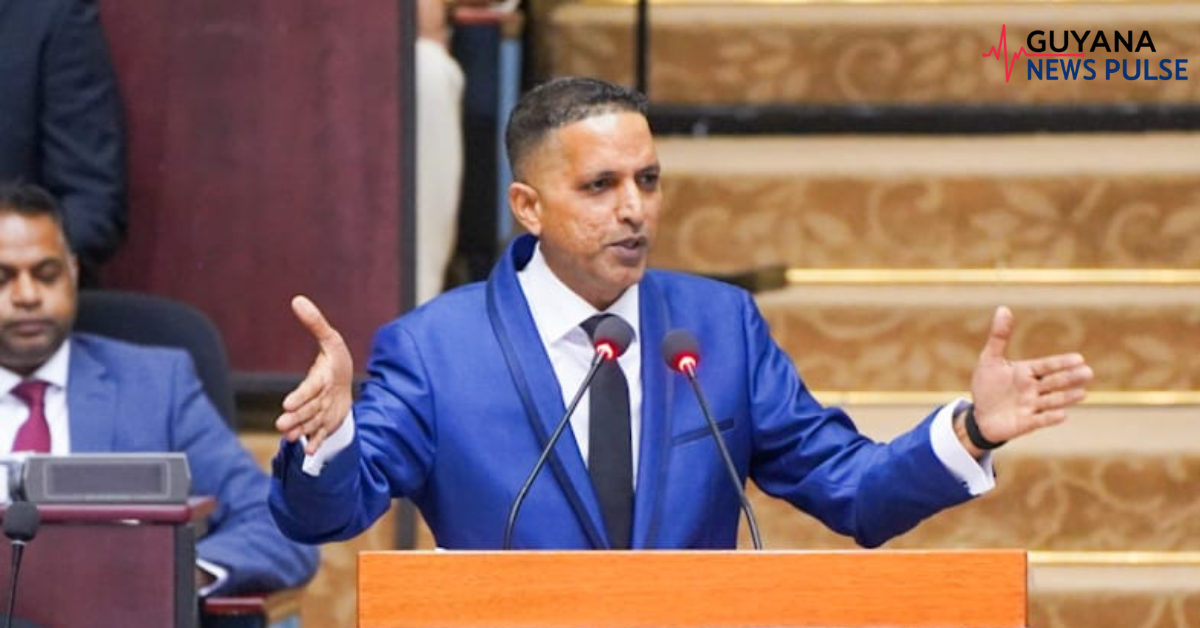
Minister within the Ministry of Agriculture, Vikash Ramkissoon, used his Budget 2026 debate contribution to highlight new and expanded support for farmers, pointing to free crop insurance, lower input costs through nano-fertiliser trials, and a drive to strengthen production as Guyana pursues greater food security.
Speaking after Culture, Youth and Sport Minister Charles Ramson Jr., Ramkissoon said the $1.558 trillion Budget 2026 is centred on improving the lives of citizens, and he framed agriculture spending as part of that “Putting People First” agenda.
A major focus of his presentation was risk protection for rice farmers, as he announced the rollout of a crop insurance product being implemented through collaboration among the Guyana Rice Development Board (GRDB) and private partners.
Ramkissoon described the initiative as a response to the realities farmers face during extreme weather, recalling that during the 2021 floods, billions were paid out in support.
“Tomorrow (Friday), join me in Region Three because we have something called crop insurance. Free!” Ramkissoon told the National Assembly that the programme is designed to reduce uncertainty and ensure that farmers are compensated in the event of losses.
He also pointed to efforts to cut production costs by using nano-urea fertiliser, citing reports from agronomists following trials conducted with international partners. Ramkissoon said the switch could significantly reduce fertiliser expenses per acre while supporting yield improvements and soil health.
“Instead of…spending now $7,000 on a bag of fertiliser for an acre of land, we can now achieve that with $2,500,” he said, contending that reduced costs and better yields translate into more money in farmers’ pockets.
Ramkissoon placed the initiatives in the context of production targets and export earnings, stating that rice output has reached record levels and that the sector remains a major foreign exchange earner. He said government incentives, including subsidies and other support, totalled about $5.38 billion for the rice sector in 2025.
While defending the government’s approach, he also acknowledged challenges, noting that although Guyana exported more rice in 2025 than in 2024, earnings were lower because international prices declined amid global oversupply. He said the response must include lowering local production costs and securing new markets.
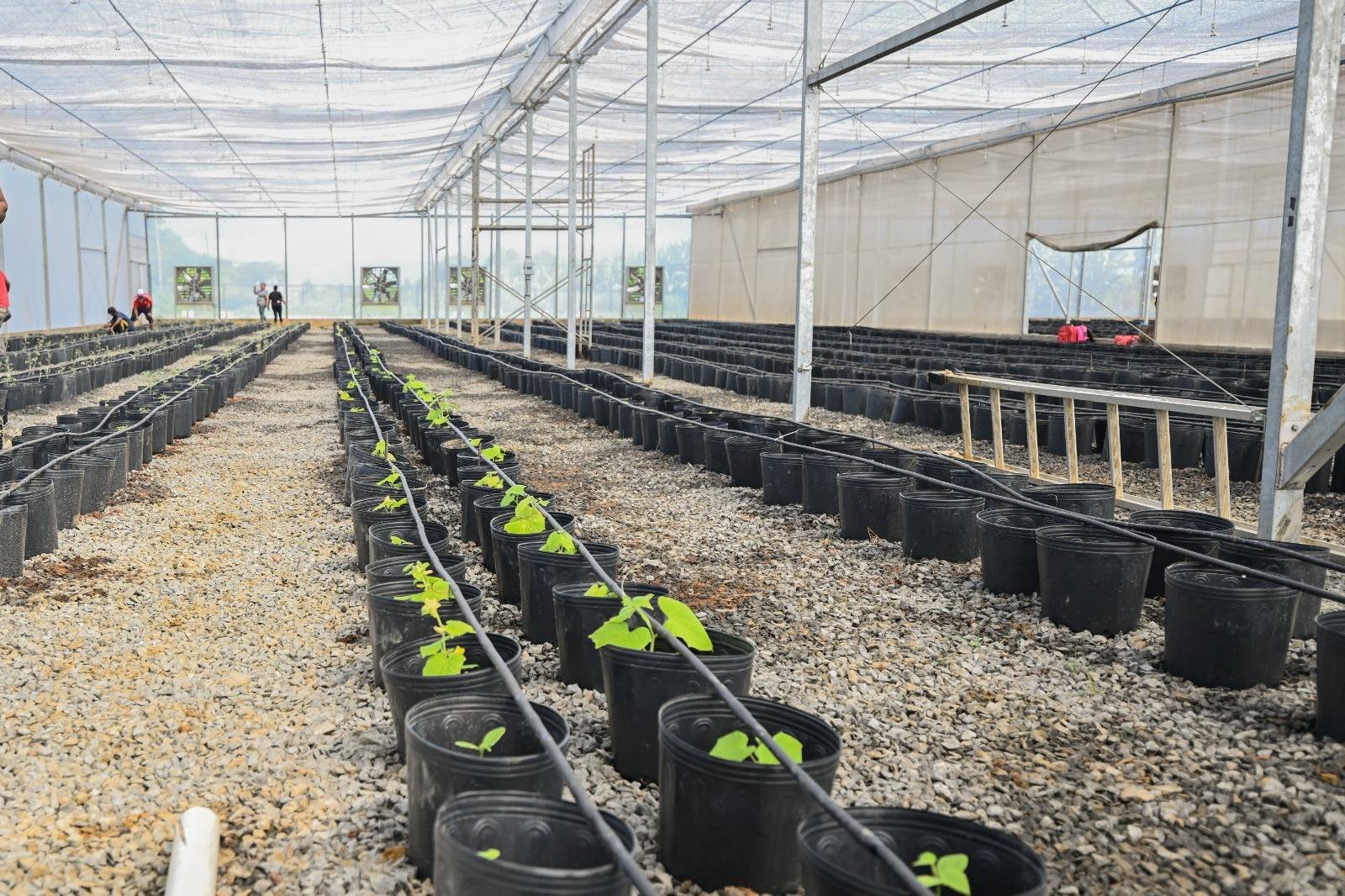
Beyond rice, Ramkissoon referenced investments in crop science and planting material, noting that a recently commissioned tissue culture facility can scale up from thousands of plantlets to one million disease-free plantlets for farmers. He also said the government constructed 757 shade houses across the country between 2021 and 2025 as part of efforts to make agriculture more resilient.
In closing, Ramkissoon said the agriculture push is ultimately aimed at building a “sustainable” and “climate resilient” sector, with the larger goal of ensuring Guyana becomes a food-secure nation.