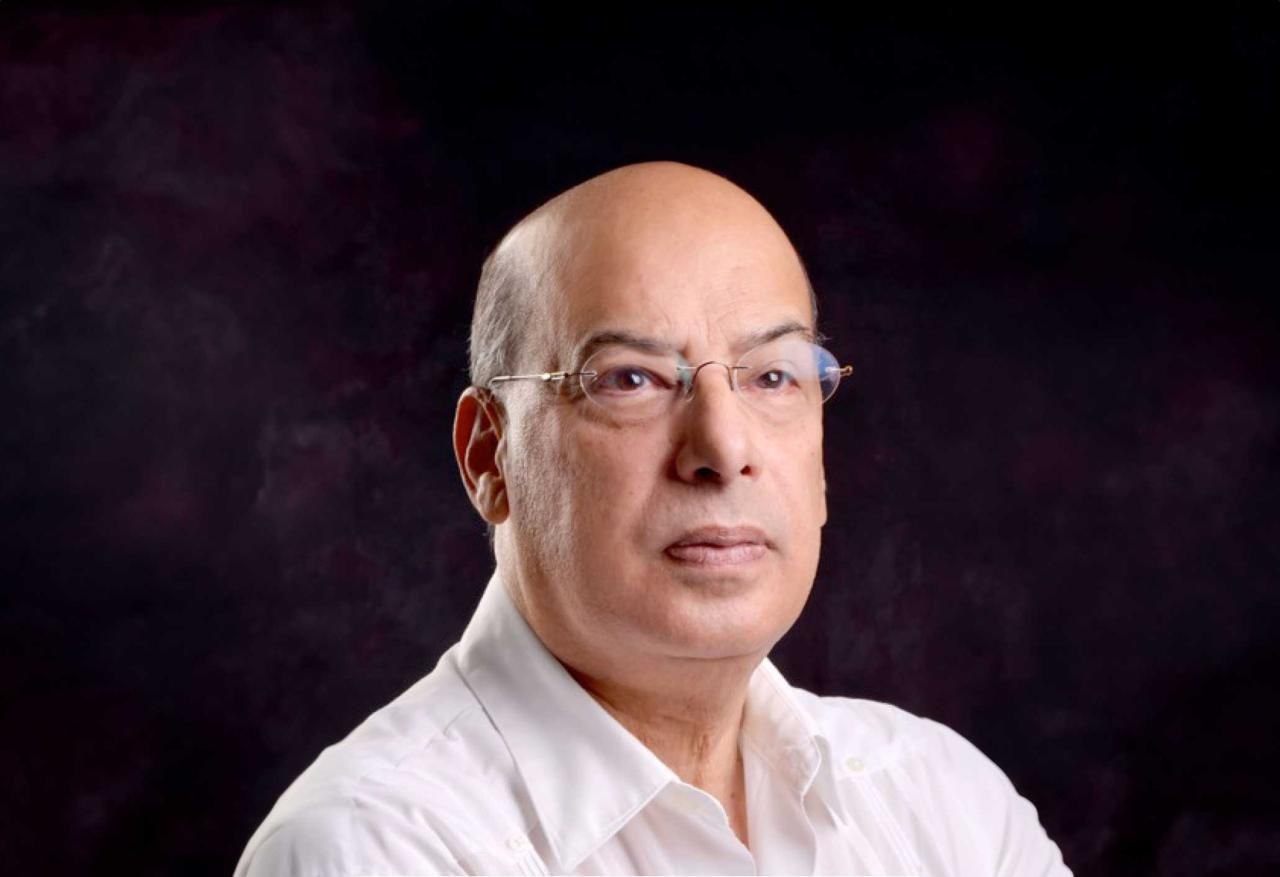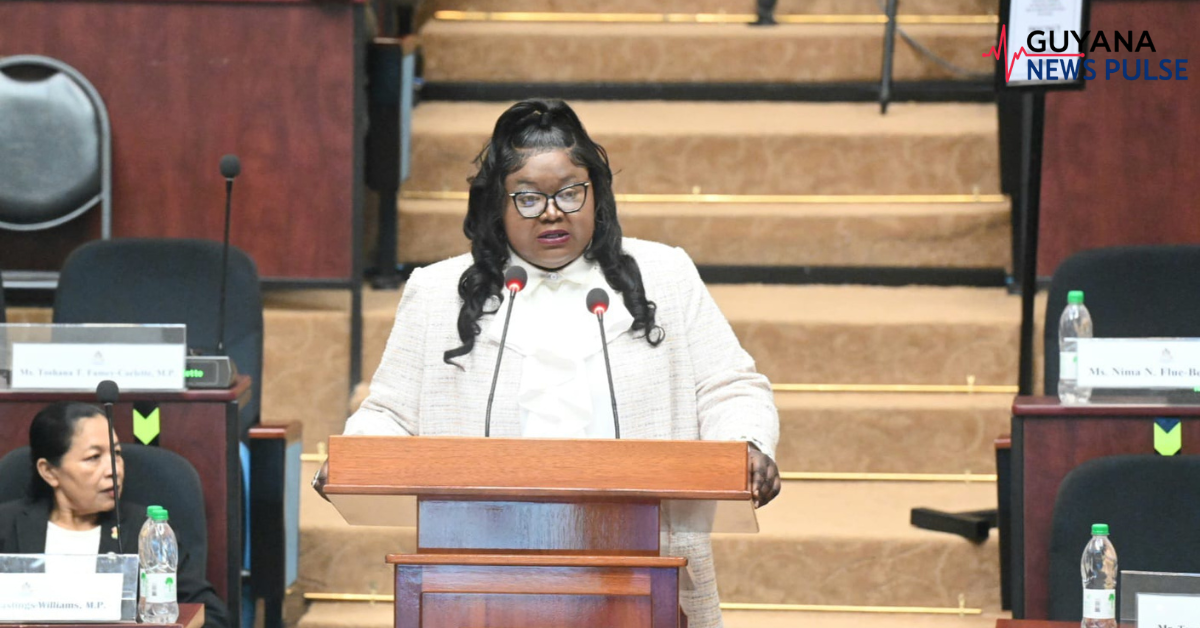
First-time Member of Parliament and General Secretary of the We Invest in Nationhood (WIN) Party, Odessa Primus, used her maiden opening address on day four of the Budget 2026 debate on Thursday to launch a stinging critique of the Ministry of Culture, Youth and Sport’s allocations, arguing that the sector is being run without clear direction and is failing the very people it is meant to serve.
Primus, who said she was assigned to scrutinise the Culture, Youth and Sport portion of the national budget, told the National Assembly that the ministry operates without a guiding framework, claiming there is “not one single policy” for culture, youth or sport.
“How could you have a ministry and have not one single policy for that ministry, whether it be youth, whether it be sport or whether it be culture?” Primus asked, adding that the absence of policy also leaves creators and practitioners exposed.
“In other words, we, the artists in this country, have got no legal protection… no copyright laws.”
Primus, a comedian, also took issue with what she described as reduced funding for the ministry, saying the allocation fell from $8 billion last year to $6 billion this year, despite Guyana’s youth population making up the majority.
She argued that this undermines the Budget 2026 theme, “Putting People First,” and insisted that the numbers do not match the rhetoric.
“We have over 70% of the people in this country are youth… so you could imagine 70% of the people are only given the smallest part of anything,” she said, contending that “this can’t be a government that is putting the people first” where culture, sport and youth development are concerned.
Primus, an entertainer herself, said the cultural sector lacks structured support, opportunities, and preservation, and alleged that major contributors to the arts are celebrated only after their deaths.
She referenced several late cultural figures and claimed some died in poverty, arguing that the system effectively promotes hardship for creatives.
She also criticised what she said was the absence of spaces and programmes that nurture young talent beyond seasonal events, pointing to the discontinuation of initiatives such as drama festivals, which she argued once created opportunities for emerging performers.
Turning to sports, Primus questioned the effectiveness of spending for community ground upkeep, arguing that many facilities remain in poor condition and lack basic amenities.
She also claimed that Guyanese athletes often have to rely on personal fundraising and ad hoc support to compete overseas because there is no national policy that guarantees incentives or structured assistance.
Primus said the country cannot boast rapid economic growth while leaving athletes and artists to “beg” for help to represent Guyana, and she pressed for policy-backed incentives, such as clear benefits for medal-winning athletes and stronger support for coaches.
Primus also linked youth development to broader social issues, including crime and repeat offending, arguing that while extensive security infrastructure is being built, the country lacks large-scale rehabilitation and empowerment centres for young people.
She cited old police statistics referenced during her contribution and said the country needs updated, accessible data to properly address youth-related challenges, including teenage pregnancy and school dropouts.
In closing, Primus listed several recommendations, including teaching Guyanese history, folklore and cultural identity in schools, and providing grants for short films, stage plays, documentaries, writers, dancers and other creatives.
She also called for tax incentives for locally produced cultural content and said that the development of a national culture, youth, and sport policy is urgent.
Primus also argued that coaches should receive stronger incentives and training support nationwide, beyond Region Four, and that the public should have better access to up-to-date sector data so that decision-makers can properly diagnose problems and craft solutions.