The A Partnership for National Unity (APNU) Coalition is calling for urgent reforms to protect Guyana’s democratic framework and ensure all citizens benefit from the country’s growing oil wealth, warning that transparency, accountability, and institutional independence are being steadily eroded.
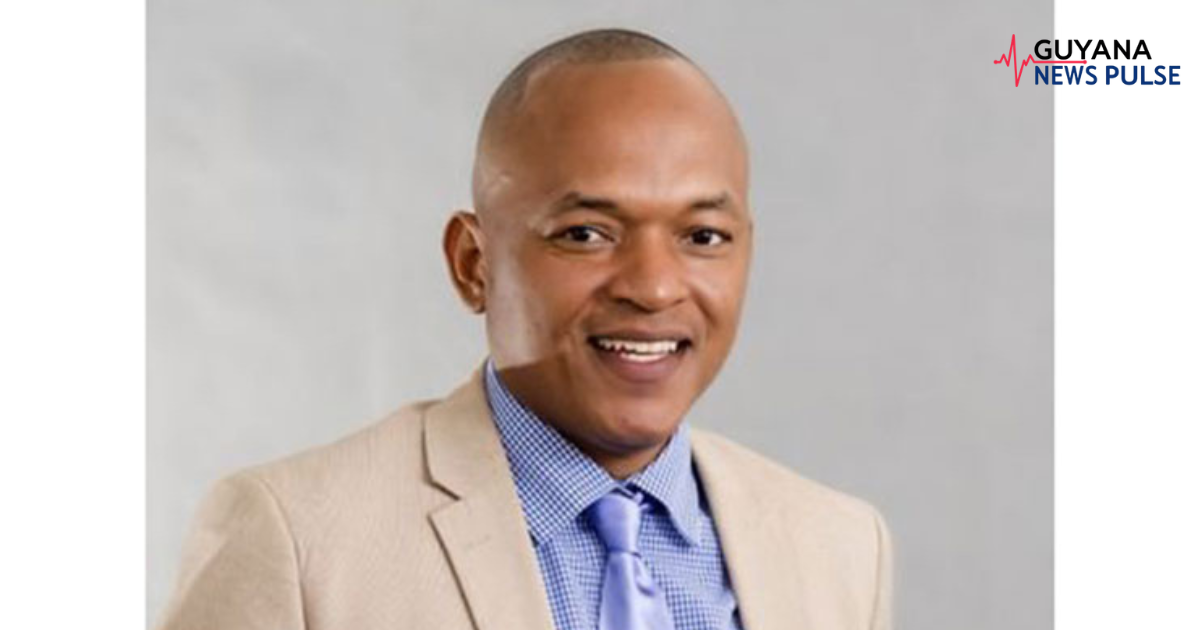
Speaking during the party’s weekly press conference on Friday, APNU Coalition Member of Parliament Sherod Duncan said Guyana’s rapid economic expansion, driven by oil revenues, must be matched by strong democratic institutions that protect the rights of citizens.
“Guyana is experiencing unprecedented economic expansion driven by our oil resources,” Duncan said. “Yet at the very same time that our national wealth is growing, the democratic institutions designed to protect the rights of the people are being systematically weakened.”
According to Duncan, democracy cannot survive on economic growth alone but must be supported by transparency, fairness, respect for institutions, and public trust.
“Democracy does not survive on economic growth alone. It survives on transparency, accountability, fairness, respect for institutions, and when the people are benefiting and trust the institutions,” he stated, adding that many Guyanese have lost confidence in key national institutions.
Duncan accused the governing People’s Progressive Party/Civic (PPP/C) administration of pursuing a pattern of governance that centralises power, weakens independent oversight, and seeks to dominate the national narrative.
Among the concerns raised was the alleged misuse of state media, which the opposition claims limits access for opposition parties.
“The National Communications Network works as the political arm of the PPP/C,” Duncan said, citing findings from the European Union Election Observation Mission, which reported that Guyana’s media landscape during the last elections was highly polarised and that state-owned media overwhelmingly favoured the ruling party.
Duncan also criticised the decision to restrict other media houses from covering parliamentary proceedings while granting NCN exclusive access, describing the move as undermining transparency and public accountability.
Beyond media access, the opposition MP said international observers have also flagged structural issues affecting the political environment in Guyana, including the misuse of state resources, weak campaign finance regulations, and unequal media access.
“These are not partisan claims,” Duncan said. “These are findings documented by respected international institutions that monitor democratic standards around the world.”
He argued that, despite these concerns, the PPP/C administration has failed to implement reforms to strengthen public confidence in the country’s electoral system.
Duncan also warned that Guyana must guard against what economists describe as the “resource curse,” where countries rich in natural resources experience weakened institutions and growing inequality.
“Instead, our oil wealth should strengthen democracy, strengthen institutions and improve the lives of every Guyanese citizen regardless of race, class or political affiliation,” he said.
The APNU Coalition is therefore advocating a series of reforms, including legislation to guarantee equal access to state media for all political parties, stronger campaign finance regulations, and greater independence and transparency in electoral and constitutional institutions.
Duncan also raised concerns about delays in establishing parliamentary committees, describing Parliament as a critical body for government scrutiny and representation of the people.
“This is not about government and opposition,” he said. “It is about the freedoms of Guyanese people and the future of democracy in Guyana.”
He added that APNU remains committed to defending democratic principles and ensuring that Guyana’s growing national wealth benefits all citizens.