The United States has provided US$7.8 million to the International Organization for Migration (IOM) under a two-year contract to support third-country nationals transferred to Guyana, US Ambassador Nicole Theriot has disclosed.
Speaking with reporters on the sidelines of the 27th Americas Regional Conference, Theriot said the funding covers a comprehensive package of assistance to persons accepted by Guyana under the migration arrangement.
Asked specifically how much money the US Government had provided to the IOM, Theriot said: “The contract is for two years, and it is US$7.8 million.”
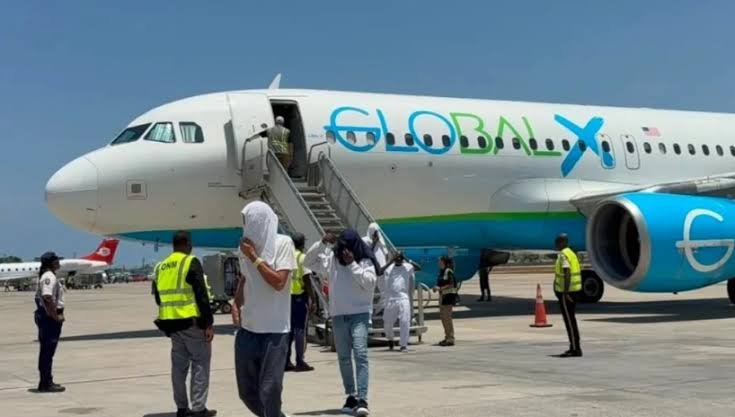
The first group comprised nationals of Cuba and Afghanistan who arrived earlier this month after being vetted by Guyanese authorities. They were found to have no criminal backgrounds and were removed from the United States primarily over immigration issues, according to Foreign Secretary Robert Persaud.
Theriot revealed that the initial manifest submitted to Guyana was considerably larger, but the government rejected many of those proposed.
“At the last manifest, you will know that only six people came. And the manifest was quite large. So a lot of people were rejected,” she said.
The Ambassador stressed that Washington cannot simply send third-country nationals to Guyana. Under the process, the United States provides a manifest containing proposed names, after which Guyanese authorities determine who they are prepared to accept.
“We do not send anyone that has not been approved by the Government,” Theriot said.
She noted that Guyana has stipulated that it will not accept persons with criminal records and said local authorities conduct their own vetting using information provided by the United States and intelligence available through Guyanese and regional systems.
Theriot said there is therefore no fixed figure for how many additional third-country nationals could arrive in Guyana.
The initial intention, she explained, was to potentially facilitate one flight per month involving persons approved by the Guyanese Government, but the actual number would depend on how many names Guyana accepts.
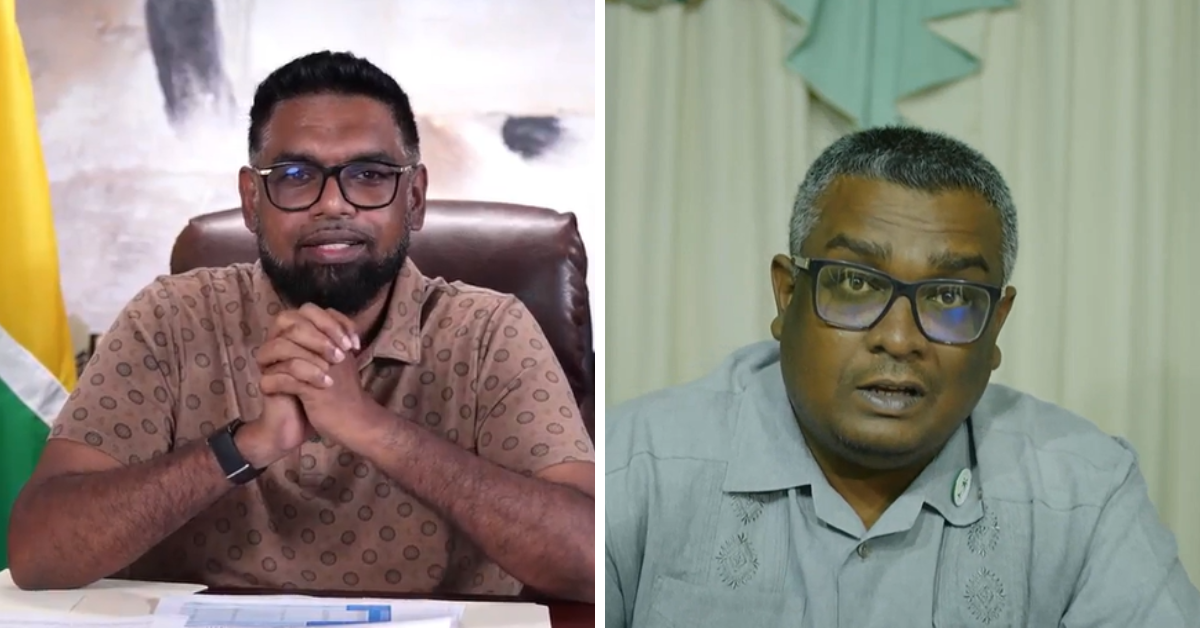
President Dr. Irfaan Ali made a similar point during a September 14 press conference, stressing that Guyana retains complete discretion over each person proposed under the arrangement.
He explained that US authorities must first provide information on proposed transferees and Guyana conducts its own health, security and other assessments before deciding whether an individual will be allowed into the country.
Ali also said the arrangement excludes several categories, including unaccompanied children under 18, Guyanese nationals, persons with pending asylum claims in the United States and people with known violent criminal records.
The government had earlier stated that Guyana would accept only a limited number of vetted, skilled and non-criminal persons, while retaining the right to reject any person proposed by Washington. The United States is responsible for the financial cost of the relocation arrangement.
Theriot said the IOM funding is intended to provide far more than accommodation.
According to the Ambassador, the package includes housing, food, healthcare, communications and assistance in maintaining contact with family members.
It will also provide job-skills training where necessary.
“If the person doesn’t have the skills that are useful here in Guyana, it provides for that as well,” Theriot explained.
“So it’s comprehensive. It’s all of their well-being. It’s health and medical. It is housing. It is food. It is communications.”
Theriot said job-skills training is an additional component specifically included for the Guyana programme.
The Guyana Government previously said the IOM would manage the reception, housing and support of persons accepted under the arrangement, and that those expenses would not be borne by the Guyanese state.
Theriot also clarified that there are different possible outcomes for the persons transferred to Guyana.
Some may remain in the country temporarily while arrangements are made for them to return to their countries of origin, provided they agree to return. Others may pursue options available under the broader programme and applicable immigration processes.
The Ambassador stressed that the process involves the individuals themselves and the Guyana Government.
The government has characterised the arrangement as temporary and said it does not amount to automatic permanent resettlement in Guyana. Persons accepted are expected to remain while their immigration circumstances are addressed, after which they could return to their country of origin or relocate elsewhere.