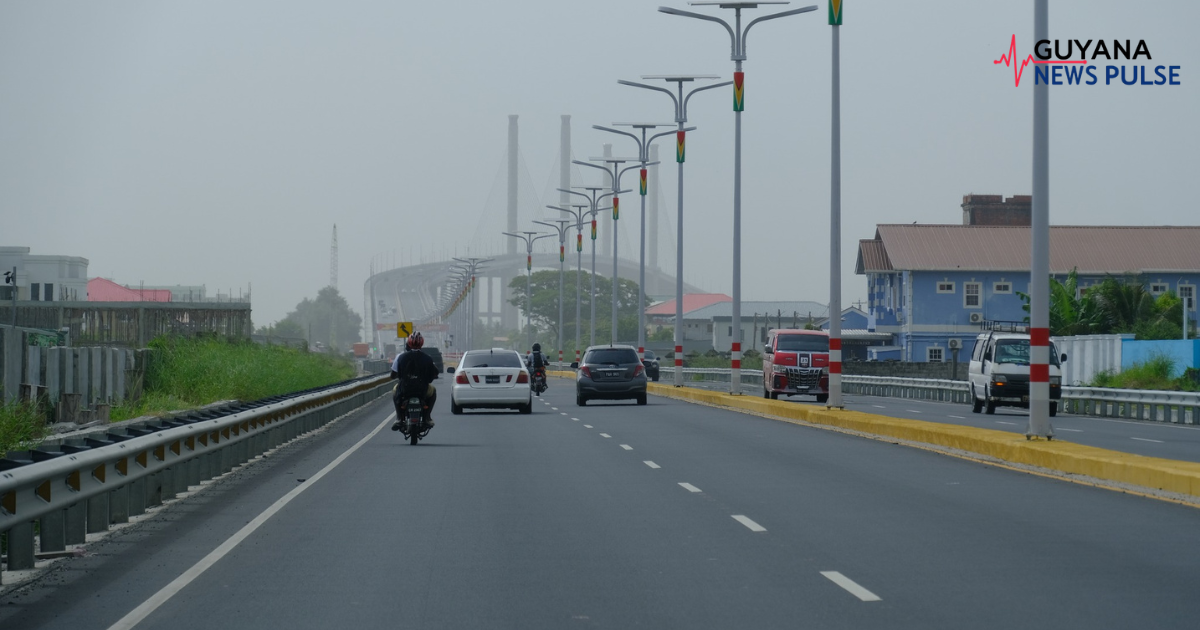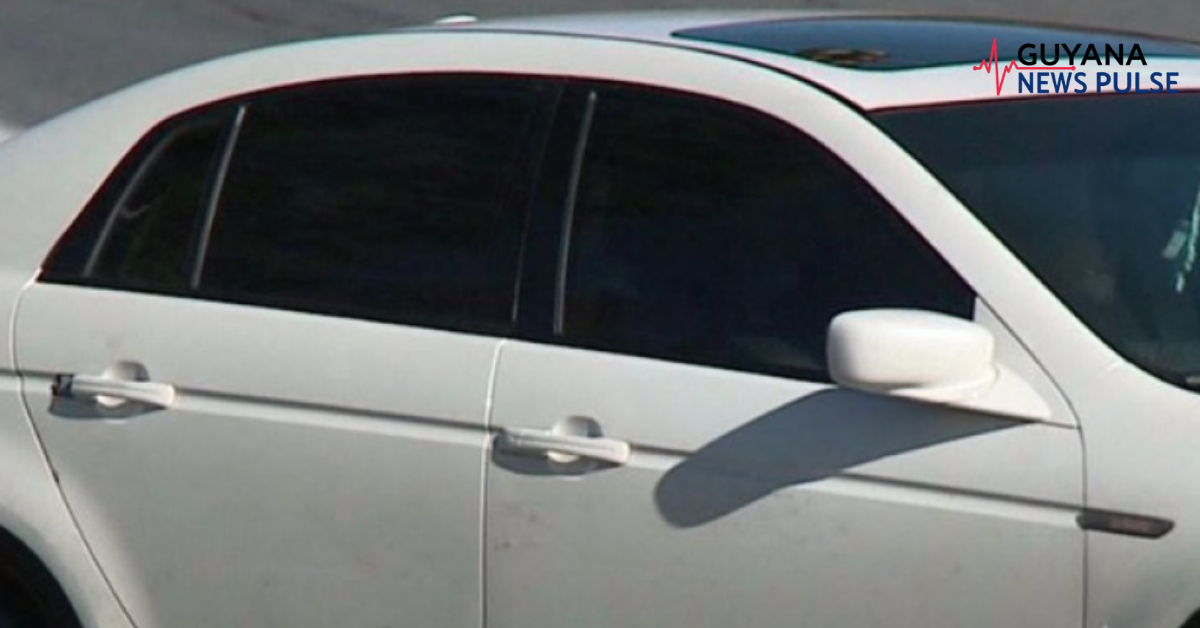
Motorists who fail to comply with Guyana’s new vehicle tint requirements will face a $75,000 fine once the current compliance period ends on December 31, Minister of Home Affairs Oneidge Walrond has announced.
The Minister, speaking during a recent interview, said the Guyana Police Force (GPF) will begin strict enforcement of the updated tint regime from January, using tint metres to test vehicles on the road.
“If you’re found not to be in compliance, then there will be a heavy fine of $75,000,” the Minister said, noting that officers will be equipped with meters to measure the level of tint on the spot.
Under the revised policy, all motor vehicle owners are now allowed to install tint without applying for a waiver, provided they adhere to the new limits.
Motorists are permitted to use tint of up to 35 per cent on all side and rear windows, while the front windshield is allowed a lighter 70 per cent tint to preserve visibility and safety. Any tint that is darker than these prescribed levels will be considered a breach of the law once the grace period ends.
Walrond explained that the changes are meant to make the system fair, predictable and transparent, while responding to longstanding public calls to legalise reasonable levels of tint. Previously, motorists had to apply for discretionary waivers, a system the Minister described as confusing and vulnerable to abuse.
She said that when she assumed office, her ministry was confronted with a large stack of tint waiver requests and constant queries from citizens who did not understand how to legally obtain permission. That confusion, she noted, created room for “unscrupulous persons” to exploit the process and made government appear inefficient.
The Minister also disclosed that consultations with the Police Force and a review of data found no basis for the old hardline position, which restricted tint on the grounds that it allegedly encouraged criminal activity.
“When we examined it, we realised that the data did not substantiate the view that if you have a tinted vehicle, you are more likely to be involved in criminal activity,” she said.
At the same time, she pointed to health and climate considerations, noting that increased UV exposure and higher temperatures made it unreasonable to keep vehicles “open and exposed” without allowing some level of tint.
“It was clear there was no real basis to continue holding back citizens from having tint on their vehicles,” Walrond said, adding that public sentiment was overwhelmingly in favour of legal tint.
The new tint regime will be formally embedded in law through amendments to the Motor Vehicles and Road Traffic Act, Chapter 51:02. According to the Minister, the draft legislation is already largely prepared and will set out the approved levels of tint, detail the categories of persons who may be exempt, outline the enforcement framework, including the use and calibration of tint metres and specify the $75,000 fine and related procedures.
Walrond described the tint reform as “low-hanging fruit” that the government moved to address quickly because it clearly aligned with public demand, made citizens’ lives easier, and removed room for human bias and corruption.